










At its core, the raw food detox diet emphasizes uncooked, whole, plant-based foods with the goal of reducing processed intake and giving the digestive system a break.
It appeals to people who feel sluggish, inflamed, or disconnected from their eating habits and want a structured way to clean things up. Not cleanse. Not “flush toxins.”
Just clean up.
But the real question isn’t whether raw foods are healthy. Fruits, vegetables, nuts, and seeds clearly are.
The real question is whether a raw food detox diet is sustainable, psychologically healthy, and nutritionally adequate beyond a short window.
This diet doesn’t exist in a vacuum. It interacts with social life, mental health, access to food, and long-term consistency.
For some, it becomes a useful reset that improves awareness and food quality. For others, it turns rigid and stressful.
Understanding where the raw food detox diet helps—and where it starts to hurt—matters far more than arguing whether food should be cooked.
What the Raw Food Detox Diet Actually Is, and What It Isn’t
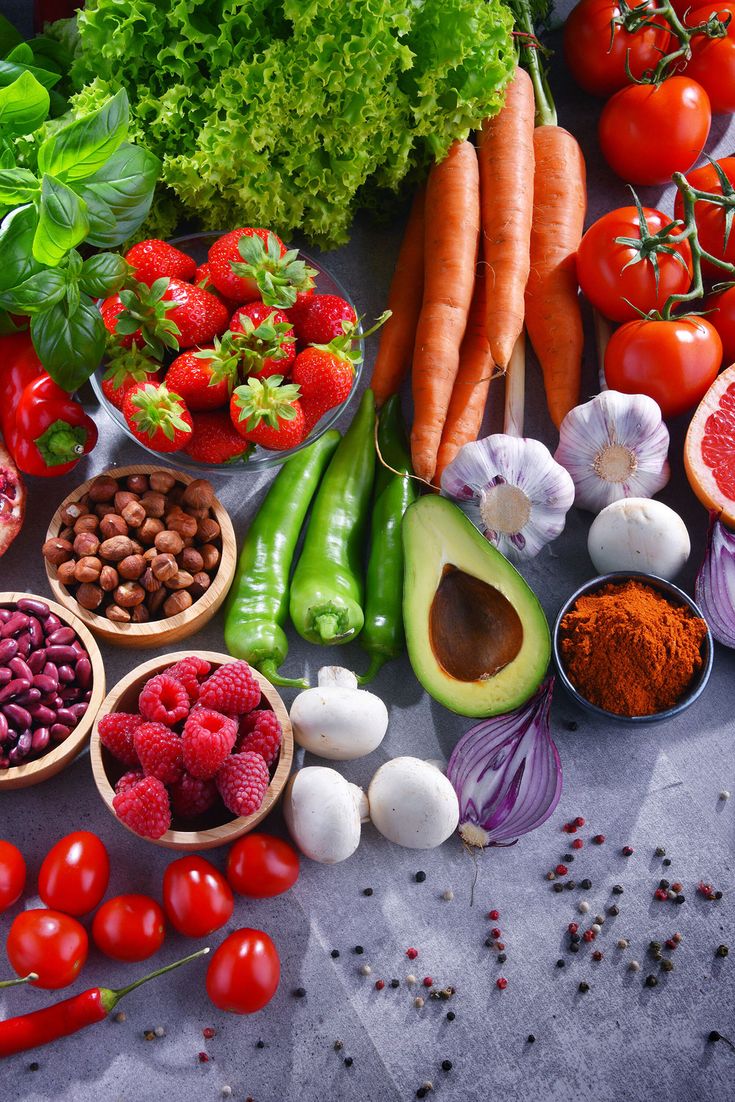
The raw food detox diet is built on a simple principle: consuming foods in their uncooked, unprocessed state to reduce dietary toxins and support natural bodily functions.
Most versions of the raw food detox diet emphasize fruits, vegetables, nuts, seeds, sprouted grains, and cold-pressed oils, typically avoiding foods heated above 118°F (48°C).
The idea is that higher temperatures degrade enzymes and nutrients that support digestion and cellular health.
Despite its popularity, the raw food detox diet is often misunderstood. It is not inherently a juice cleanse, nor is it always a short-term plan.
Some individuals adopt it for a defined detox window, while others follow it as a long-term lifestyle.
The detox element comes from eliminating highly processed foods, refined sugars, additives, and excess sodium—components strongly associated with inflammation and metabolic stress.
The raw food detox diet also differs from plant-based or vegan diets that allow cooked legumes, grains, and vegetables.
Cooking increases bioavailability for certain nutrients, such as lycopene in tomatoes or beta-carotene in carrots, which is one reason nutrition professionals caution against assuming raw is always superior.
The value of the raw food detox diet depends largely on food variety, preparation quality, and duration.
When approached intentionally, the raw food detox diet can serve as a nutritional reset. When followed rigidly or without planning, it can introduce nutritional gaps.
Understanding this distinction is essential before evaluating benefits or risks.
Digestive Health and Gut Function on a Raw Food Detox Diet
One of the most commonly reported outcomes of a raw food detox diet is improved digestion. This is largely attributed to the significant increase in dietary fiber.
Raw fruits and vegetables are rich in insoluble and soluble fibers that support bowel regularity, feed beneficial gut bacteria, and reduce transit time through the digestive tract.
Additionally, raw foods naturally contain digestive enzymes such as amylase, lipase, and protease. While the human body produces its own enzymes, proponents argue that consuming enzyme-rich foods reduces digestive workload.
Although this claim is debated, some individuals report reduced bloating and improved stool consistency during a raw food detox diet.
However, raw fiber can also be challenging for certain digestive systems.
People with irritable bowel syndrome (IBS), compromised gut lining, or slow motility may experience gas, cramping, or discomfort due to the fermentable fibers present in raw produce.
The raw food detox diet is not universally gentle, especially during the initial adjustment phase.
Fermented raw foods like sauerkraut, kimchi, and raw coconut yogurt can improve tolerability by introducing probiotics.
These foods may help balance gut flora and support digestive resilience when incorporated strategically.
Digestive outcomes from the raw food detox diet depend less on ideology and more on personalization. Gradual transitions and diverse food choices significantly influence results.
Weight Loss Effects and Metabolic Changes
Weight loss is often associated with the raw food detox diet, though the mechanism is primarily caloric density rather than metabolic acceleration.
Raw foods are naturally low in calories and high in water content, which can lead to reduced overall energy intake without deliberate calorie restriction.
The raw food detox diet may also reduce insulin spikes by eliminating refined carbohydrates and sugars.

Stable blood glucose levels support fat oxidation and reduce hunger fluctuations. For individuals transitioning from a highly processed diet, this shift alone can produce noticeable changes in body composition.
However, sustained weight loss on a raw food detox diet is not guaranteed. Inadequate protein intake can lead to muscle loss, which negatively affects metabolic rate over time.
Additionally, some individuals compensate for low energy density by overeating nuts and dried fruits, which are calorie-dense despite being raw.
The raw food detox diet may function effectively as a short-term intervention for recalibrating appetite and food awareness.
Long-term metabolic health depends on macronutrient balance, not food temperature alone.
Nutrient Density, Deficiencies, and Bioavailability
The raw food detox diet delivers high levels of vitamin C, potassium, folate, magnesium, and phytonutrients.
These compounds support immune function, cellular repair, and oxidative stress reduction. Diets rich in raw fruits and vegetables are consistently linked to reduced chronic disease risk, as reported by the World Health Organization.
That said, nutrient density does not automatically equal nutrient sufficiency. Vitamin B12, iron, zinc, iodine, calcium, and omega-3 fatty acids can be challenging to obtain in adequate amounts through a raw food detox diet alone.
Iron from plant sources is non-heme and less bioavailable, while calcium absorption may be inhibited by oxalates found in raw greens.
Cooking enhances nutrient availability in some foods. For example, lightly cooking spinach reduces oxalate content, increasing calcium absorption.
Eliminating cooked foods entirely may unintentionally reduce nutritional efficiency.
Careful food pairing—such as combining vitamin C-rich fruits with iron-containing greens—can partially offset these limitations.
Supplementation is often necessary for individuals following a raw food detox diet beyond short durations.
Nutritional adequacy should be assessed through intake tracking rather than assumptions about food purity.
Detox Claims and Liver Function Reality
The detox narrative surrounding the raw food detox diet often implies that raw foods actively cleanse toxins from the body.
In reality, detoxification is handled by the liver, kidneys, lungs, and gastrointestinal system. No diet replaces these organs.
The real benefit of the raw food detox diet lies in reducing toxic exposure rather than increasing detox capacity.
Removing alcohol, additives, trans fats, and excess sodium lowers the detox burden placed on the liver. Increased hydration and fiber intake support waste elimination through urine and stool.
This distinction matters. The raw food detox diet supports detoxification indirectly by improving dietary inputs, not by flushing toxins through special mechanisms.
Framing the diet as supportive rather than curative aligns better with established physiology and reduces unrealistic expectations.
Energy Levels, Athletic Performance, and Daily Function
Energy responses to the raw food detox diet vary significantly. Many individuals report increased daytime alertness due to stable blood sugar and lighter digestion.
High carbohydrate intake from fruits can provide quick energy, especially for low-intensity activity.
However, endurance athletes and strength-focused individuals may struggle without sufficient protein and calories.
Raw diets are typically low in leucine, an amino acid critical for muscle protein synthesis. This can impair recovery and physical performance.
Fatigue may also occur if total caloric intake drops too low. Because raw foods require more volume to meet energy needs, appetite suppression can inadvertently lead to under-fueling.
Energy sustainability depends on customization, not adherence to rigid rules.
Long-Term Sustainability and Psychological Factors
Sustainability is one of the most critical—and most overlooked—considerations of the raw food detox diet.
In real life (not Instagram life), social constraints, food access, preparation time, and dietary monotony quickly test commitment.
Eating out becomes awkward, travel becomes strategic, and suddenly you’re interrogating waiters about whether something has ever met heat. That friction matters.
Psychologically, rigid dietary systems can create unintended consequences.
Orthorexic tendencies—where food purity becomes obsessive or morally loaded—are more likely to emerge in strict frameworks like an uncompromising raw food detox diet.
When food choices shift from nourishment to anxiety management, the diet stops serving health. Balance and flexibility dramatically reduce this risk.
For this reason, many individuals gravitate toward a modified raw food detox diet.
This approach blends raw fruits, vegetables, nuts, and seeds with thoughtfully prepared cooked plant foods such as legumes, whole grains, and lightly cooked vegetables.
The result is often comparable digestive and metabolic benefits, without the burnout.
Long-term dietary success is determined by consistency over time, not intensity over short bursts. A plan you can follow imperfectly for years beats a perfect plan you abandon in three weeks.
Who Should Avoid or Modify the Raw Food Detox Diet
The raw food detox diet is not appropriate for everyone, and pretending otherwise is nutritional malpractice.
Pregnant individuals, those with a history of eating disorders, anemia, compromised immune function, or gastrointestinal conditions should approach with caution—or avoid it entirely.
Raw diets can be low in bioavailable iron, vitamin B12, protein, and energy density, which can worsen existing vulnerabilities.
Children, in particular, require higher nutrient density relative to body size to support growth and neurological development.
Highly restrictive raw diets are inappropriate for them without close medical and nutritional supervision. No amount of blended zucchini compensates for inadequate calories during development.

Error: Contact form not found.
Even for healthy adults, prolonged adherence without planning can lead to deficiencies.
Medical clearance and, ideally, guidance from a qualified nutrition professional are advisable before initiating significant or long-term dietary changes—especially ones marketed as “detoxifying.”
Conclusion
The raw food detox diet can improve dietary quality, reduce ultra-processed food intake, and support digestive health when applied thoughtfully and temporarily.
Its benefits stem primarily from increased whole-food consumption—not rawness itself. That distinction matters.
Used short term, the raw food detox diet can help reset eating habits, recalibrate taste preferences, and break dependence on refined foods. Used dogmatically, it becomes nutritionally narrow and psychologically expensive.
Long-term success depends on adequacy, personalization, and flexibility. The raw food detox diet works best as a tool—not a rule. When the tool starts running your life, it’s time to put it down.