











Most people think “detox” is something you drink from a bottle, but the real work happens deep inside the liver every minute of the day.
Whether it’s medication, pollutants, alcohol, hormones, or metabolic waste, everything passes through the same two-step filtration system that keeps the body stable.
Understanding how phase 1 and phase 2 liver detox pathways work isn’t niche biochemistry — it’s the foundation of how the body protects itself from everyday exposure.
Phase 1 breaks toxins down into reactive intermediates, and Phase 2 neutralizes them so they can be safely removed.
When these pathways are balanced, the system runs smoothly. When they aren’t, stress builds up quietly in the background.
Learning how this process works gives you the clearest picture of what “detox” actually means.
Understanding Liver Detoxification
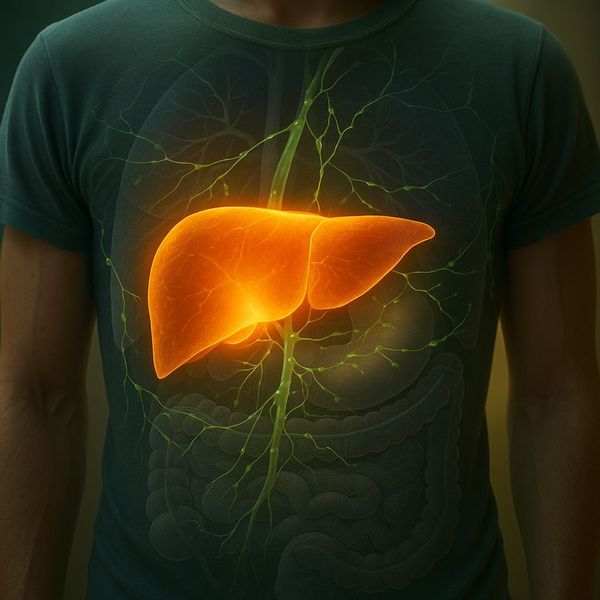
The liver is the primary organ tasked with neutralizing and removing toxins from the body.
Through a coordinated two-step process, the organ transforms fat-soluble or otherwise problematic compounds into water-soluble forms that can be safely excreted.
This is why it’s so important to understand how phase 1 and phase 2 liver detox pathways work, especially today when environmental toxins, medications, pollutants, and processed foods are everywhere.
When someone inhales or ingests a substance — whether a chemical, drug, hormone, or metabolic byproduct — the liver steps in.
Phase I reactions, largely mediated by enzymes from the cytochrome P450 family, chemically modify those toxins (often through oxidation, reduction, or hydrolysis), preparing them for the next stage.
After that, Phase II kicks in: the modified toxins are conjugated with endogenous compounds (like glutathione, sulfate, glucuronic acid, amino acids) to make them water-soluble so they can leave the body through urine or bile.
This two-phase system underscores why balance is vital: if Phase I outpaces Phase II, reactive intermediates can accumulate, causing oxidative stress or even cellular damage.
Phase I: Activation and Transformation
Phase I is the activation stage.
In this phase, enzymes — mainly from the cytochrome P450 (CYP450) superfamily — take toxins (xenobiotics, drugs, metabolic waste, fat-soluble chemicals) and perform chemical reactions such as oxidation, reduction, or hydrolysis.
These reactions typically add or unmask a “functional group” (for example —OH, -NH₂, or -COOH), which makes the molecule more reactive.
This is essential because many toxins are fat-soluble and cannot be excreted directly; by modifying them, Phase I sets the stage for Phase II.
However, this process has a downside. The modified toxins, called “intermediates,” can be more chemically reactive or even more toxic than the original substance.
These reactive intermediates can generate free radicals, which are unstable molecules that can damage cells if not promptly neutralized.
Because of that risk, Phase I alone doesn’t detoxify — it merely transforms toxins.
Without a properly functioning Phase II, these intermediates can hang around and contribute to oxidative stress, inflammation, or cellular damage.
What influences Phase I?
#1. The level and activity of CYP450 enzymes (which can vary by genetics, diet, exposure levels).
#2. The availability of cofactors and nutrients (B-vitamins, minerals, antioxidants) that help enzymes function without generating excessive free radicals.
#3. The amount and type of toxins entering the system — chronic exposure (pollutants, heavy metals, drugs, alcohol, pesticides) increase burden.
In that sense, Phase I is like the liver’s “prep station”: it doesn’t finish the job; it just primes toxins for elimination.
Phase II: Conjugation and Neutralization
Once Phase I has modified toxins, Phase II takes over.
This step is sometimes called the conjugation phase, where the reactive intermediates are bound (conjugated) with other molecules — making them water-soluble and much less reactive.
These conjugated metabolites can then be safely excreted through urine or bile.
There are several Phase II pathways, each handling different kinds of intermediates depending on their chemical nature. The main ones include:
#1. Glucuronidation: attaching glucuronic acid (from glucose). Widely used — many hormones, drugs, toxins rely on this pathway.
#2. Glutathione conjugation: using the antioxidant glutathione to neutralize reactive electrophiles, heavy metals, and environmental chemicals.
#3. Sulfation (sulfate conjugation): adding sulfate to substrates such as phenols, hormones, drugs — important for hormone metabolism and detox of many xenobiotics.
#4. Amino acid conjugation: combining toxins with amino acids like glycine or taurine to aid excretion.
#5. Methylation: adding a methyl group (–CH₃), often used in detoxifying certain drugs or regulating endogenous compounds.
#6. Acetylation: adding an acetyl group via N-acetyltransferases; used for certain drugs and chemicals.
Each of these pathways relies on different enzymes and cofactors.
For example, glucuronidation depends on UDP-glucuronosyltransferases (UGTs), sulfation needs sulfate donors, glutathione conjugation needs adequate glutathione (made from amino acids), and methylation requires methyl donors like SAMe (which in turn depends on nutrients such as methionine, folate, and B-vitamins).
When the process runs smoothly, Phase II neutralizes and eliminates toxins reliably — completing what Phase I started.
Why Balance Between Phase I and Phase II Matters
Because Phase I can generate reactive intermediates that are potentially more harmful than the original compound, a lagging Phase II creates a dangerous bottleneck.
If Phase I works faster than Phase II, reactive molecules build up.
These can interact with DNA, proteins, or cell membranes — potentially leading to oxidative stress, inflammation, cell damage, or long-term health issues.
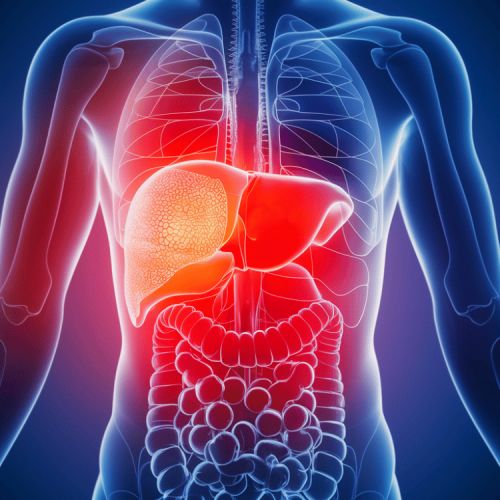
Conversely, if Phase II is robust but Phase I is slow or inhibited, some toxins may remain unmodified — possibly reducing detox efficiency overall, or shifting the burden to other organs.
The body’s ability to balance these phases depends heavily on nutrient availability, overall liver health, exposure level to toxins, and genetic factors (which influence enzyme activity).
Modern life — with pollution, synthetic chemicals, processed foods, medications, alcohol, and industrial toxins — can overload the system.
So promoting a healthy balance between Phase I and Phase II isn’t just a “nice-to-have”; it’s essential.
Nutrition, Lifestyle and Detox Support
Since these detox pathways depend on enzymes and cofactors, what you eat and how you live can make a substantial difference — especially in enhancing efficiency of how phase 1 and phase 2 liver detox pathways work.
Nutritional building blocks for Phase I
Phase I enzyme activity (CYP450) depends on various nutrients that support enzyme synthesis and antioxidant defenses, because Phase I generates free radicals.
Essential nutrients include B-vitamins, vitamin C, vitamin E, minerals (magnesium, zinc, selenium), and sufficient proteins.
Antioxidant-rich foods help neutralize free radicals generated during Phase I. Fruits, vegetables (especially those high in antioxidants), herbs, and certain spices aid this support.
Nutritional support for Phase II
Phase II requires compounds like glutathione, sulfate, amino acids (glycine, taurine, cysteine), and methyl donors (for methylation).
Nutrients and protein-rich foods such as eggs, lean meats, legumes, cruciferous vegetables, sulfur-rich vegetables (onions, garlic), leafy greens, and foods high in methionine, choline, folate, and B-vitamins can support these pathways.
Because glutathione is among the body’s primary antioxidants and a key component of several Phase II pathways, ensuring adequate glutathione (or its precursors) is vital — especially under high toxin exposure.
Lifestyle factors
#1. Reducing exposure: minimizing contact with environmental toxins, processed chemicals, heavy metals, smoking, alcohol, and unnecessary medications reduces the burden on the liver.
#2. Hydration and elimination: good hydration, regular urination, and healthy bile flow support excretion of conjugated toxins.
#3. Supporting excretion routes: a healthy gut, regular bowel movements, adequate fiber help bile-based clearance. Without efficient elimination, even well-detoxified substances might get reabsorbed.
#4. Consistent nutrition: avoiding nutrient deficiency helps ensure enzyme systems and conjugation cofactors remain available.
In short: supporting detoxification is more about consistent healthy lifestyle, balanced diet, and reducing toxin exposure than quick cleanses or detox kits.
When Detox Pathways Get Overloaded or Impaired
Under ideal conditions, how phase 1 and phase 2 liver detox pathways work ensures toxins are neutralized swiftly and excreted. But in practice, many factors can impair or overload the system.
Overload of toxins
Heavy exposure to environmental pollutants (plastics, pesticides, industrial chemicals), frequent use of medications, alcohol, and processed foods can flood Phase I and Phase II.
When the liver is overwhelmed, intermediates linger and may cause oxidative stress, inflammation, hormone imbalance or other chronic issues.
Nutrient deficiencies
If the body lacks cofactors — amino acids, vitamins, antioxidants — Phase II may lag. Without sufficient glutathione or sulfate donors, conjugation slows, leaving reactive intermediates floating around.
Aging and lifestyle decline
Some evidence suggests that as we age, Phase I enzyme activity may decline; blood flow through the liver may reduce; and nutritional intake or absorption may become less optimal — all affecting detox capacity.
Genetic variation
Polymorphisms in CYP450 enzymes, or in Phase II enzymes (like NATs, UGTs, SULTs, or GSTs), influence how efficiently an individual detoxifies toxins.
That means two people exposed to the same chemical load might detoxify at very different rates.
When these systems falter, accumulation of toxins or reactive intermediates can manifest as fatigue, headaches, hormone imbalance, skin problems, mood swings, or long-term disease risk.
How the Body Eliminates Detoxified Substances
After Phase II conjugation, the newly water-soluble molecules must leave the body. The elimination routes are mainly:
#1. Bile → feces (especially for larger conjugates)
#2. Bloodstream → kidneys → urine (for smaller conjugates)
A healthy liver and healthy elimination pathways (gut health, bile flow, kidney function) are essential. If elimination slows — e.g. poor bile flow, constipation, dehydration, kidney stress — detoxified toxins may get reabsorbed or linger longer, undermining the entire detox process.
That’s why supporting detox isn’t only about diet but also about hydration, fiber intake, gut health, and regular elimination habits.
Practical Steps to Support Liver Detoxification
If you want to optimize how phase 1 and phase 2 liver detox pathways work in your body, these practical steps make sense — grounded in what we know about enzyme function, nutrients, and elimination:
#1. Eat a nutrient-rich, whole-food diet: Emphasize foods rich in B-vitamins, antioxidants, sulfur compounds (onions, garlic, cruciferous veggies), amino acids (from eggs, lean meats, legumes), folate and methyl-donors (leafy greens, nuts, seeds).
#2. Ensure adequate protein intake: Amino acids like glycine, cysteine, methionine are building blocks for glutathione and other conjugation molecules.
#3. Stay hydrated and support elimination: Drink sufficient water, eat fiber-rich foods for healthy gut transit, support bile flow with good fat intake, and maintain kidney health.
#4. Minimize toxin burden: Reduce exposure to environmental pollutants, avoid unnecessary medications, limit alcohol, processed foods, chemicals, heavy metals.
#5. Support antioxidant capacity: Vitamins C, E; antioxidants from fruits/vegetables; possibly glutathione precursors — to neutralize free radicals generated by Phase I.
#6. Adopt a lifestyle that supports liver health: Regular physical activity, avoiding chronic stress, getting adequate sleep. These influence liver perfusion, metabolism, and general resilience.
#7. Be cautious with supplement-based “detox kits”: The system is delicate. Overstimulating Phase I without ensuring Phase II support can backfire — causing build-up of reactive intermediates rather than elimination.
What Research Suggests About Liver Detox Capacity
Scientific studies on liver detoxification confirm the complexity and adaptability of this system.
The liver expresses a wide array of biotransforming enzymes — in part to deal with the huge variety of chemicals humans are exposed to, from drugs to environmental toxins.
Importantly, Phase II enzyme systems are diverse: glucuronidation, sulfation, glutathione conjugation, amino-acid conjugation, acetylation, and methylation — giving the liver multiple routes to neutralize different classes of toxins.
Moreover, conjugation reactions increase the water solubility of toxins and tag them for carrier-mediated transport and excretion.
The process depends not only on enzymes but also on the availability of cofactors and energy (ATP) — which links detox capacity to overall metabolic health.
What that tells us is — detox isn’t a simple “on/off switch.” It’s a dynamic system influenced by genetics, lifestyle, nutrient status, toxin load, and overall metabolic condition.

When Detox Fails, What Can Go Wrong
Despite the sophistication of liver detox pathways, several things can derail them:
#1. If Phase I is overactivated (due to high toxin exposure, certain drugs, pollutants), but Phase II and elimination don’t match pace, reactive intermediates can accumulate.
Result: oxidative stress, inflammation, potential tissue damage.
#2. Nutrient scarcity: low intake (or poor absorption) of amino acids, vitamins, antioxidants, methyl donors undermines enzyme function or conjugation — slowing detox.
#3. Aging or compromised liver health: diminished enzyme activity or blood flow to liver — weakening detox capacity.
#4. Genetic variability: some people inherently have slower conjugation enzyme activity — meaning detox pathways work less efficiently under toxin load.
#5. Poor elimination: if bile flow is low, gut transit slow, kidney function weak, then even properly conjugated toxins may linger — undermining the benefit of detox.
In worst cases, this can contribute to chronic fatigue, hormonal disruptions, increased inflammation, heightened sensitivity to environmental toxins, and potentially long-term risks.
Why It Matters in 2025
In an era of widespread environmental pollution, synthetic chemicals, processed foods, heavy metals, and frequent use of pharmaceuticals, our detox burden is higher than many past generations.
Understanding how phase 1 and phase 2 liver detox pathways work — and what it takes to support them — is not optional. It’s foundational for long-term health.
Scientific evidence underscores that the liver is built to adapt: it possesses many enzymes with broad substrate flexibility, ready to metabolize a wide variety of substances.
But that doesn’t mean it’s invulnerable. Nutrient status, lifestyle, and toxin exposure remain critical determinants of detox efficiency.
By focusing on a nutrient-rich diet, minimizing unnecessary chemical exposure, supporting hydration and elimination, and maintaining overall metabolic health, individuals can help keep these detox pathways working optimally.
Conclusion
The liver’s detoxification system — driven by Phase I and Phase II pathways — represents one of the body’s most important defense mechanisms against toxic exposure.
Understanding how phase 1 and phase 2 liver detox pathways work reveals not only the complexity of detox chemistry, but also how lifestyle, nutrition, and environment influence our internal chemistry.
Phase I transforms fat-soluble and potentially dangerous compounds into reactive intermediates.
Phase II then neutralizes and converts them into water-soluble substances that the body can excrete — provided we supply the right nutrients and maintain healthy elimination routes.
When these steps work in harmony, the body can clear toxins efficiently and protect cells from damage.
When they don’t, the build-up of intermediates or failure to eliminate can lead to oxidative stress, inflammation, and long-term health issues.
Supporting liver detoxification isn’t about quick fixes or detox fads — it’s about consistent, thoughtful living: wholesome nutrition, toxin awareness, hydration, gut health, and overall metabolic well-being.
In 2025 and beyond, understanding the science behind detoxification — and acting on it — remains as relevant as ever.