











After childbirth, many women feel pressure to “cleanse” their bodies and return to a pre-pregnancy state as quickly as possible.
Social media, wellness brands, and even well-meaning advice often frame detoxing as a necessary step in postpartum recovery.
This has made the idea of a safe postpartum detox appealing, but also deeply confusing. The postpartum period is not a time when the body is weak or toxic.
It is a time when the body is actively repairing tissue, regulating hormones, restoring nutrient levels, and in many cases, producing breast milk.
Pregnancy does not leave behind hidden toxins that need to be flushed out. Instead, it temporarily changes how organs function and how nutrients are prioritized.
After delivery, the body naturally shifts into recovery mode.
Understanding this distinction is critical, because many popular detox practices directly interfere with healing rather than supporting it.
In 2026, medical consensus is clear that postpartum recovery should be guided by physiology, not trends.
A safe postpartum detox is not about restriction or aggressive cleansing. It is about supporting the organs responsible for natural detoxification while avoiding practices that increase stress on the body.
This requires clarity on what detoxification actually is, how postpartum physiology works, and why certain products and methods are inappropriate during this stage of life.
What “Detox” Really Means After Pregnancy
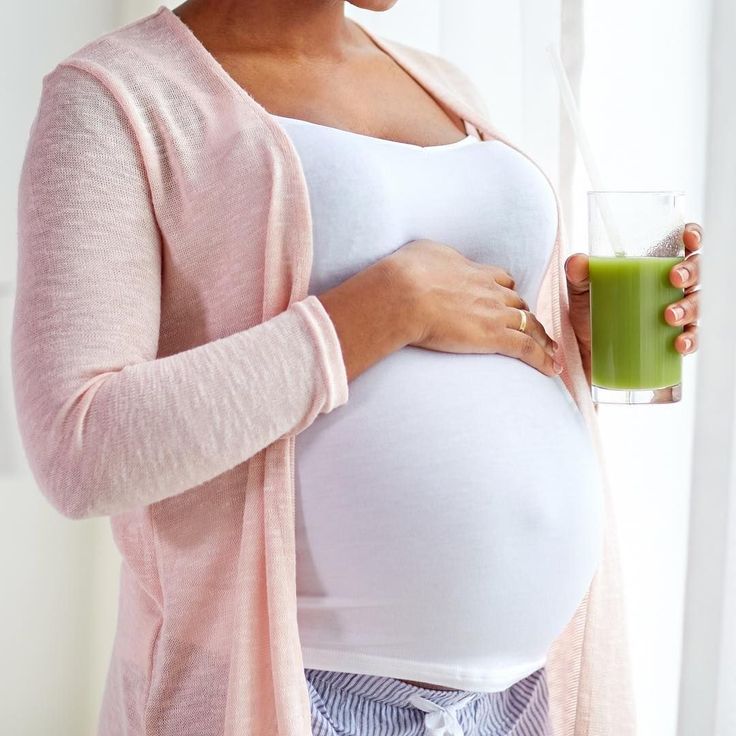
In medical terms, detoxification is a continuous biological process, not a short-term program. The liver, kidneys, gastrointestinal tract, lungs, and skin work together to neutralize and eliminate metabolic waste every day.
These systems do not stop functioning during pregnancy, nor do they suddenly require external intervention after childbirth.
The liver plays the central role by converting fat-soluble waste into water-soluble compounds that can be excreted through urine or bile.
The kidneys filter blood continuously, removing excess electrolytes and metabolic byproducts. The gastrointestinal tract eliminates waste while also housing bacteria that influence immune and metabolic health.
After pregnancy, these systems may feel “sluggish” to new mothers, but this sensation is usually caused by hormonal fluctuations, sleep deprivation, inflammation, and nutrient depletion—not toxin buildup.
Iron deficiency, low omega-3 levels, dehydration, and disrupted gut motility are common postpartum issues, and none are corrected by detox teas or cleanses.
A safe postpartum detox must therefore focus on restoring balance rather than accelerating elimination.
Another misconception is that pregnancy stores toxins that must be removed through weight loss.
While certain environmental chemicals can accumulate in fat tissue, rapid fat loss can temporarily increase circulating toxin levels rather than reduce them.
This is one reason extreme calorie restriction is discouraged after childbirth.
When detox is framed accurately, it becomes clear that postpartum recovery already includes detoxification.
The question is not whether detox is happening, but whether lifestyle choices support or disrupt it.
A safe postpartum detox aligns with organ function, hormonal recovery, and nutritional replenishment.
Is a Safe Postpartum Detox Compatible With Breastfeeding?
Breastfeeding changes the safety profile of nearly every dietary intervention.
Breast milk is produced from nutrients circulating in the mother’s bloodstream, which means substances consumed by the mother can influence milk composition.
This is where many detox practices become problematic.
Calorie restriction, diuretics, stimulant herbs, and laxatives can all reduce milk supply or alter hydration status.
The Centers for Disease Control and Prevention (CDC) advises breastfeeding mothers to avoid supplements and herbal products unless cleared by a healthcare provider, as many are not regulated for safety during lactation.
A safe postpartum detox during breastfeeding prioritizes stable energy intake, adequate hydration, and micronutrient sufficiency.
Detox teas often contain senna, cascara, dandelion, or licorice root, which can affect digestion, electrolyte balance, and milk production.
Even when marketed as “natural,” these ingredients can place unnecessary strain on the liver and kidneys during a period when the body is already working hard.
Breastfeeding also increases nutritional demands. Protein, iodine, choline, omega-3 fatty acids, and iron are especially important for both maternal health and infant development.
Restrictive detox plans often fail to provide these nutrients in adequate amounts.
The Ruby Postnatal emphasizes that postpartum nutrition should focus on replenishment rather than restriction, particularly during lactation.
Hydration is often misunderstood as detoxification. While adequate fluid intake supports kidney function, excessive water consumption without electrolytes can lead to imbalances.
A safe postpartum detox approach treats hydration as part of overall recovery, not as a cleansing mechanism.
Timing Matters More Than Intention

One of the most overlooked aspects of postpartum detoxing is timing.
The body undergoes rapid changes in the first six weeks after delivery, including uterine involution, tissue repair, immune recalibration, and major hormonal shifts.
Introducing restrictive or aggressive detox methods during this phase can interfere with healing.
The postpartum period is often divided into phases: immediate (first 24 hours), early (first 6 weeks), and late (up to one year).
Each phase has different physiological priorities. In the early phase, the body prioritizes wound healing, inflammation control, and stabilization of blood volume.
A safe postpartum detox is not appropriate during this stage if it involves caloric restriction, fasting, or stimulant use.
Women recovering from cesarean sections face additional demands, including surgical wound healing and higher inflammatory load.
Iron deficiency and fatigue are also common after delivery, particularly in cases involving blood loss.
According to the National Health Service (NHS), postnatal recovery should focus on rest and nutrition, not rapid body changes.
Later in the postpartum timeline, gentle lifestyle adjustments can support natural detoxification processes.
These include balanced meals, fiber intake to support gut motility, and gradual physical activity.
A safe postpartum detox respects the body’s recovery timeline rather than attempting to override it.
Why Most Commercial Detox Products Are Unsafe Postpartum
Commercial detox products are designed for marketing, not postpartum physiology. Many rely on laxatives, diuretics, appetite suppressants, or unverified herbal blends.
These mechanisms can temporarily change weight or digestion, but they do not enhance detoxification.
Laxatives increase bowel movements without improving toxin removal, often leading to dehydration and electrolyte imbalance. Diuretics increase urine output but do not enhance kidney filtration.
Stimulants raise cortisol levels, which can disrupt hormone regulation and milk supply.
A safe postpartum detox avoids products that bypass normal physiological pathways. Supplements marketed for detox are rarely tested in postpartum or breastfeeding populations.
The lack of regulation increases the risk of contamination, inaccurate labeling, and drug interactions.
The postpartum liver is already processing hormonal metabolites, medications, and increased metabolic waste. Adding unnecessary compounds increases workload rather than improving efficiency.
The Mayo Clinic warns that detox supplements can cause liver injury even in non-postpartum adults, making their use after childbirth particularly risky.
What a Truly Safe Postpartum Detox Looks Like
A safe postpartum detox is built on nutrition, not restriction. Whole foods provide the substrates needed for liver enzymes, kidney filtration, and gut health.
Fiber supports bile excretion and microbial balance. Protein supplies amino acids required for detoxification pathways. Healthy fats support hormone production and reduce inflammation.
Foods rich in iron, such as legumes and leafy greens, help replenish postpartum stores.
Omega-3 fatty acids from fish or seeds support neurological health and inflammation control. Choline, found in eggs and legumes, supports liver function.
Hydration supports kidney function, but it should be paired with adequate sodium and potassium intake.
Gentle movement improves circulation and lymphatic flow without stressing the body. Sleep plays a critical role in hormonal regulation and immune balance.
From this perspective, a safe postpartum detox is simply recovery done well. It supports the body’s existing detox systems instead of attempting to replace them.
Hormones, Weight Loss, and the Detox Myth
Hormonal shifts after childbirth affect metabolism, appetite, and fat storage. Estrogen and progesterone levels drop sharply, while prolactin rises during breastfeeding.
Cortisol levels may remain elevated due to stress and sleep deprivation. These changes are not problems to be detoxed away.
Rapid weight loss can disrupt hormone balance further, increasing fatigue and delaying recovery.
A safe postpartum detox does not prioritize weight loss. Instead, it allows metabolic regulation to stabilize naturally over time. Gradual changes in body composition are a normal part of postpartum recovery.
Medical Red Flags and When Detox Should Wait
Certain conditions make detox practices inappropriate at any stage postpartum. These include anemia, thyroid disorders, postpartum depression, infections, and complications from delivery.

Women taking medications should be especially cautious, as detox supplements can alter drug metabolism.
A safe postpartum detox is never urgent. If recovery feels stalled or symptoms persist, medical evaluation is more effective than self-directed cleansing.
Conclusion
The concept of detoxing after pregnancy has been distorted by marketing and misinformation. The postpartum body is not toxic, broken, or in need of aggressive cleansing. It is actively healing.
A safe postpartum detox supports that process by prioritizing nutrition, hydration, rest, and gradual recovery rather than restriction or stimulation.
When detox is understood as supporting the liver, kidneys, gut, and hormonal systems, it becomes clear that most commercial detox methods are unnecessary and potentially harmful after childbirth.
In 2026, evidence-based postpartum care continues to emphasize patience, nourishment, and respect for the body’s natural recovery timeline.
Supporting those principles is the safest and most effective form of detox a new mother can choose.