









Modern diets overload the body with ultra-processed foods, excess sugar, alcohol, and additives that increase digestive strain and inflammation.
Over time, that shows up as sluggish digestion, constant fatigue, bloating, brain fog, and inconsistent energy levels.
A structured detox diet doesn’t “flush toxins” in a literal sense. Instead, it creates the conditions your body needs to do that work efficiently on its own.
This is where a well-designed detox diet food list matters.
The right foods supply fibre to support elimination, antioxidants to protect liver function, fluids to aid kidney filtration, and micronutrients that regulate metabolic pathways.
When these elements are combined intentionally over a short, focused window—like 10 days—the body often responds quickly.
This approach prioritizes whole foods, hydration, and nutrient density while eliminating common stressors such as processed foods, excess sodium, refined sugar, and alcohol.
The result isn’t a dramatic cleanse narrative—it’s a measurable reset in how your body feels and functions..
What Your Detox Diet Food List Should Include
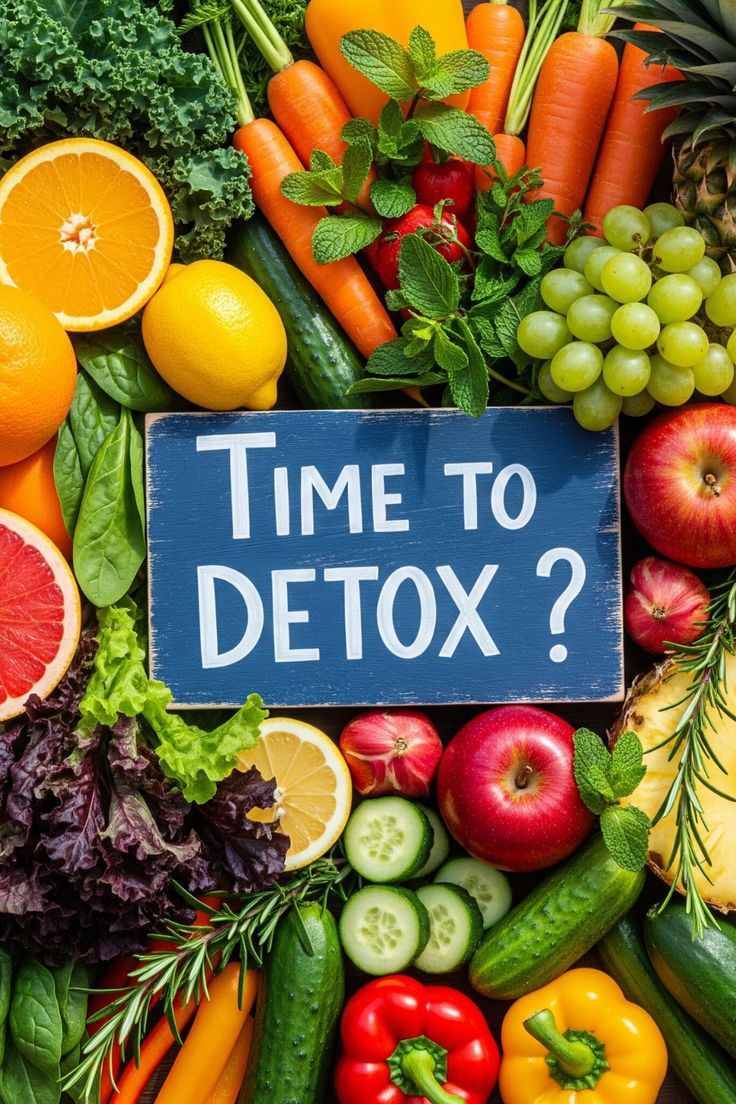
At the core of any effective detox eating plan is a focus on whole, unprocessed foods.
This helps the body naturally and efficiently flush and manage waste products through the liver and kidneys.
A strong detox diet food list is built on these pillars:
- Hydration First: Water and plant-forward liquids keep kidneys working and waste moving.
- Vibrant Plants: Vegetables and fruits rich in fibre and antioxidants support liver enzymes and elimination pathways.
- Whole Grains & Fibre: These help feed gut microbes and ensure regularity.
- Lean Proteins & Healthy Fats: Essential for cell repair and satiety without overloading metabolism.
- Herbs & Functional Drinks: Add mild supportive effects without harsh laxatives or extreme restriction.
This approach echoes nutrition experts’ advice that a balanced diet high in fibre, plants, and fluids supports your natural systems most effectively — rather than extreme, short-term diets that may deprive your organs of needed nutrients.
Let’s unpack what to eat — and why — over the next 10 days.
Day 1–3: Hydration + Clearing the Pathways
Water, Lemon, and Herbal Teas
Hydration is non-negotiable. Water is the medium in which waste is carried out of your body; without enough of it, you slow down every elimination pathway you have.
Start each day with a large glass of water with lemon — the vitamin C and citric compounds gently stimulate digestive secretions.
Add in herbal teas throughout the day. Options like ginger tea or dandelion root aren’t just soothing.
They support liver function and may increase urine production modestly, helping your kidneys move waste more effectively.
Green tea — included later in meals — provides catechins, antioxidants that research links to improved liver support.
Tip: Aim for 8–12 cups of fluid daily, with at least 6 cups as water.
High-Fibre Greens and Veggies
Green leafy vegetables — spinach, kale, Swiss chard — give you chlorophyll and fibre to support the natural flushing of heavy metals and digestive waste.
Fibre acts like a broom in your gut, increasing stool bulk and improving the rhythm of elimination.
Cruciferous vegetables like broccoli, cauliflower, and Brussels sprouts have sulphur-containing compounds that activate the liver’s detox pathways.
These early days aren’t meant for extremes. They’re about setting the stage: hydration, gentle stimulation, and increasing plant diversity.
Day 4–6: Nourishing Liver Function with Foods That Help Detoxify
Your liver does the heavy lifting for detoxification. It processes and transforms potentially harmful compounds into forms your body can eliminate.
To enhance this process, focus on foods that feed and protect liver function:
Garlic and Onions
Garlic isn’t just flavour — it contains sulfur compounds that activate liver detox enzymes and help neutralize free radicals. Onions, in the same Allium family, support similar pathways and provide fibre for gut health.
Turmeric and Ginger
Turmeric’s active compound, curcumin, is known for antioxidant and anti-inflammatory properties, making it a valuable player in overall detox eating plans.
Ginger’s anti-inflammatory benefit complements turmeric’s, and both support digestive comfort and circulation — two underrated aspects of feeling “cleansed.”
Citrus and Berries
Beyond vitamins, citrus fruits like oranges and grapefruits contain antioxidants and phytochemicals that support enzymatic pathways in detoxification.
Berries add antioxidants that help protect cells during the process.
These days on your detox diet food list aren’t about deprivation. They are about giving your liver the tools it needs — vitamins, phytonutrients, and fibre — so your own biology does the work it was designed to do.
Day 7–9: Balancing Gut, Metabolism, and Hormonal Pathways
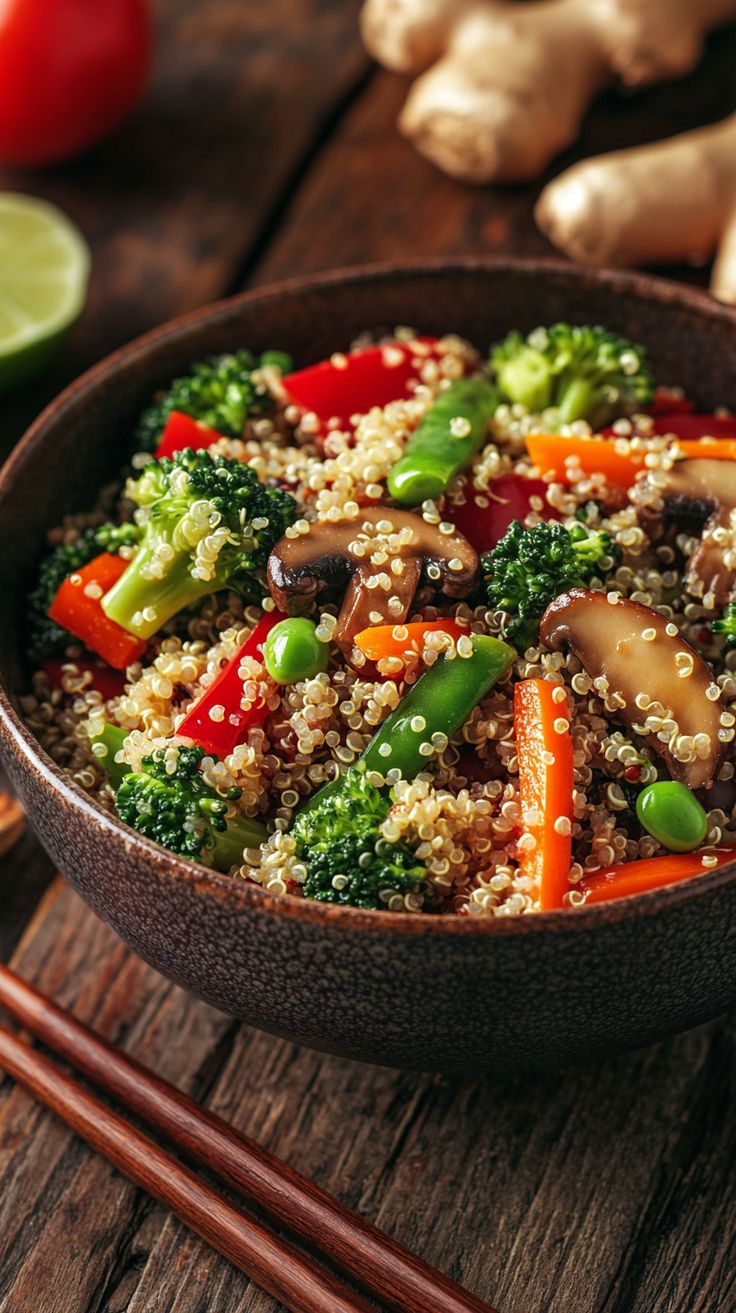
This mid-to-late phase is where the body reset becomes perceptible: your digestion’s smoother, fewer energy dips, and bloating may reduce.
Whole Grains and Complex Carbs
Add quinoa, brown rice, oats, and barley back into meals to provide sustained energy and fibre. These slow carbs help stabilize blood sugar and feed beneficial gut bacteria.
Gut health is a major factor in how you feel. A well-functioning digestive tract means better nutrient absorption and more regular waste elimination — two cornerstone benefits your detox diet food list aims to deliver.
Nuts and Seeds
Almonds, chia seeds, flaxseeds, and walnuts are rich in fibre and omega-3 fats. Their combination of healthy fats and fibre supports cell function and digestion.
Probiotic-Rich Foods
Consider including fermented foods like kefir or unsweetened yogurt if you tolerate dairy. Probiotics support beneficial gut microbes, which in turn support digestion and may reduce inflammation.
This phase is also an opportunity to assess and reset dietary habits: remove added sugars, processed foods, and alcohol. Your liver and gut function will thank you.
Day 10: Consolidation — Eat Well, Feel Well
On your final day, your body should feel lighter and more responsive. Keep the focus on whole foods:
- Fresh salads with lemon and olive oil
- Steamed or roasted cruciferous vegetables
- Lean proteins like fish or legumes
- Whole grains like quinoa or brown rice
- Herbal teas or green tea
You’re not doing a quick fix; you’re resetting metabolic tone. That means balanced meals that support your natural detox pathways and leave you feeling satisfied rather than starved.
What Drinks Flush Out Toxins Most Effectively?
No drink overrides your biology. Your liver and kidneys handle detoxification continuously, and fluids simply support how efficiently those systems work.
Within a detox diet food list, beverages are about hydration, enzyme support, and reducing unnecessary metabolic load—not forcing anything out.
Warm lemon water works primarily by improving hydration compliance and gently stimulating digestive activity.
The citric compounds can encourage bile flow, which plays a role in fat digestion and waste processing.
It’s useful first thing in the morning, not because it “cleanses,” but because it rehydrates the body after hours of fluid loss.
Green tea contributes antioxidants such as catechins, which help protect liver cells during normal detox activity.
It also provides mild stimulation without the blood sugar spikes associated with sweetened drinks.
Herbal teas like ginger or dandelion support digestive comfort and fluid balance without caffeine, making them ideal later in the day when overstimulation can interfere with sleep and recovery.
Plain water remains the most effective option. The kidneys rely on adequate fluid intake to filter waste from the blood and excrete it through urine.
Without sufficient water, detox pathways slow down. Any added sugar, syrups, or artificial sweeteners increase metabolic workload and undermine the purpose of these drinks within a structured detox diet food list.
Interwoven Signs Your Body Is Responding to This Plan
As you follow a structured detox diet food list, the body’s response is usually subtle, functional, and cumulative—not dramatic.
Real adaptation shows up in how consistently your systems operate, not in extreme short-term sensations.
Improved energy levels often indicate stabilized blood glucose and better nutrient availability.
Removing refined sugars and processed foods reduces insulin spikes and crashes, allowing energy to remain more even throughout the day.
This isn’t a stimulant effect—it’s metabolic normalization.
More regular digestion is another key signal. Increased fibre intake from vegetables, whole grains, seeds, and legumes supports gut motility and stool consistency.
Regular bowel movements are one of the clearest indicators that elimination pathways are functioning properly. This reflects improved gut health, not a purge response.
Reduced bloating typically follows decreased sodium intake, fewer ultra-processed foods, and improved hydration.
When digestion becomes more efficient and inflammation drops, abdominal distension often resolves without effort.
These changes point to improved gut regulation, better hydration status, and reduced dietary stress on the liver.
They’re signs the plan is working as intended—supporting normal detox processes—rather than forcing artificial or temporary results.
The Real Deal on Detox Myths and Your Body’s Built-In Systems
Your body is not waiting for a cleanse to start detoxing. The liver, kidneys, lungs, digestive tract, and skin are continuously filtering, transforming, and eliminating waste products every minute of the day.
This is a tightly regulated biological process, not something that switches on because you drank a specific juice or cut calories aggressively.
Most detox myths collapse under basic physiology. Extreme cleanses promise rapid toxin removal, but what they often deliver is dehydration, electrolyte imbalance, and short-term weight loss driven by water and glycogen depletion.
That’s not detoxification—it’s stress. When the body is under-fueled, the liver actually becomes less efficient at processing waste, not more.
A realistic detox approach acknowledges that the systems already exist and focuses on supporting them.
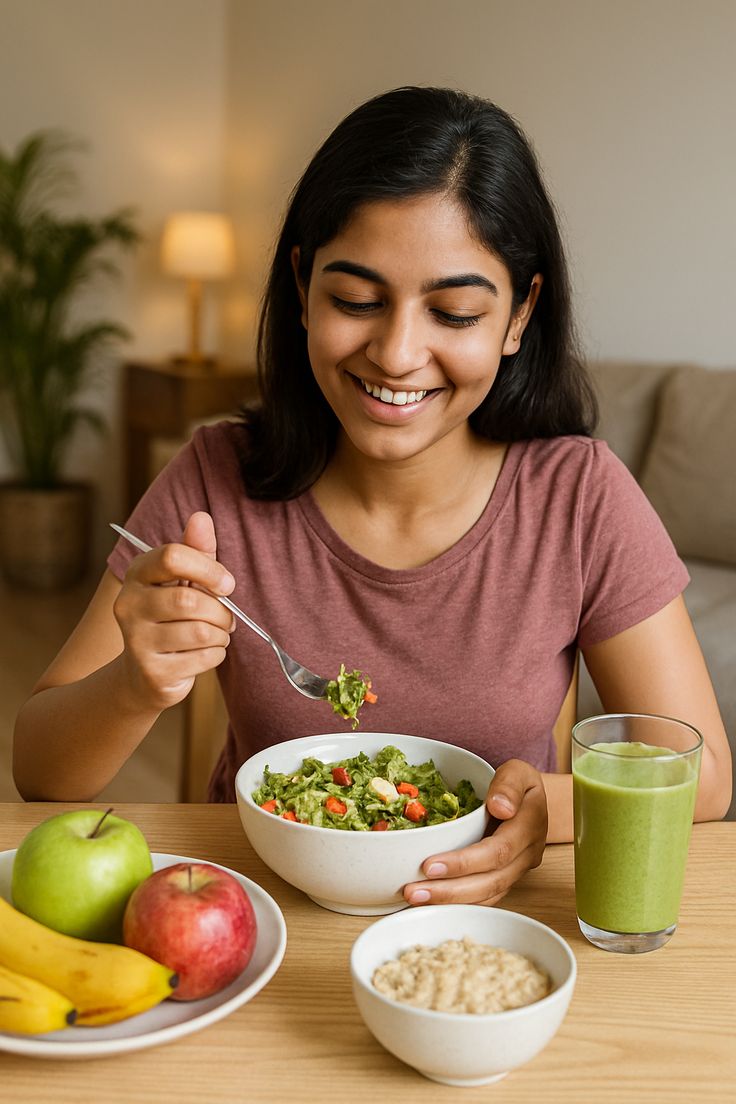
A properly structured detox diet food list does exactly that by supplying fibre for elimination, antioxidants for cellular protection, adequate protein for liver enzymes, and enough fluids to keep kidney filtration efficient.
It removes dietary burdens—excess sugar, alcohol, ultra-processed foods—that slow these systems down.
Detox, in practice, is not about forcing toxins out. It’s about creating nutritional conditions where your body can do what it’s already designed to do, efficiently and without unnecessary strain.
Conclusion
A 10-day reset only matters if it changes what happens afterward. The goal isn’t to “finish” a detox and return to old habits—it’s to recalibrate how you eat so your body stays supported long term.
If you’ve followed a balanced detox diet food list, your digestion, energy levels, and appetite cues should feel more predictable.
That’s your signal to maintain the core principles rather than chase another short-term plan.
Keep meals centered on whole, minimally processed foods. Build plates around vegetables, quality proteins, whole grains, and healthy fats instead of refined carbs and packaged convenience foods.
Hydration should remain a daily priority, not something you focus on only during a detox window.
Adequate fluid intake supports kidney filtration and helps regulate appetite and digestion. Likewise, maintaining fibre intake through plants and whole grains keeps elimination pathways functioning smoothly.
Most importantly, treat detox as a system reset—not a cleanse cycle. When dietary stress stays low and nutrient intake stays consistent, your body doesn’t need dramatic interventions to feel better.
That’s how a short detox phase becomes a sustainable foundation for healthier eating well beyond 2026.