











A one-week “detox” does not need special teas, pills or juice-only days. The most useful seven-day plan is a reset of everyday habits: more vegetables, fruit and fibre, enough protein and water, less alcohol and ultra-processed food, and better sleep. These are the things that genuinely support the organs that clear waste from your body, mainly the liver, kidneys and gut.
This guide gives you a simple day-by-day plan, a sample menu and what to expect.
Before you start
- Set a realistic goal. A week of healthier eating can reduce bloating, improve energy and help you feel more in control of your diet. It will not “flush” fat, and most of any quick weight change is water.
- Plan your shopping. Buy vegetables, fruit, beans, lentils, whole grains, eggs, fish or tofu, yoghurt, nuts and seeds for the week.
- Check with your doctor if you have diabetes, kidney or liver disease, are pregnant or breastfeeding, take regular medication or have a history of disordered eating.
The 7-day plan at a glance
| Day | Focus | Key action |
|---|---|---|
| 1 | Hydration | Drink water through the day; swap sugary drinks for water, sparkling water or herbal tea. |
| 2 | Vegetables | Half of every lunch and dinner plate is vegetables. |
| 3 | Fibre | Add beans, lentils, oats, whole grains, chia or flax to at least two meals. |
| 4 | Protein | Include a palm-sized portion of protein at each meal to manage hunger. |
| 5 | Cut back | No alcohol, and limit ultra-processed snacks, sweets and fried food. |
| 6 | Movement | Take a 30 to 45 minute walk or other moderate exercise. |
| 7 | Sleep and review | Aim for 7 to 9 hours of sleep, and choose the habits you will keep. |
Each day builds on the previous one, so by day 7 you are doing all seven habits together.
Sample day menu
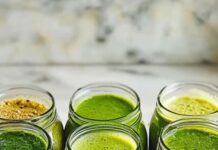
- Breakfast: overnight oats with Greek yoghurt, berries and chia seeds, or a green smoothie with protein (see what green detox smoothies contain).
- Lunch: large salad with leafy greens, chickpeas or salmon, cucumber, tomatoes, olive oil and lemon.
- Snack: an apple or pear with a small handful of nuts.
- Dinner: vegetable and lentil soup or stir-fried vegetables with tofu or chicken and brown rice. Our detox soup recipes work well here.
- Drinks: water, herbal tea or green tea. Our guide to the best herbal teas for detox has ideas.
Foods to eat more of this week
- Leafy greens and cruciferous vegetables (broccoli, cabbage, Brussels sprouts)
- Berries, citrus, apples and pears
- Beans, lentils, oats and whole grains for fibre
- Fermented foods such as yoghurt, kefir and sauerkraut for gut health (see gut-healing fermented foods)
- Lean proteins: fish, eggs, tofu, poultry, legumes
Foods and drinks to limit
- Alcohol, which the liver has to prioritise processing
- Sugary drinks and fruit juice
- Ultra-processed snacks, processed meat and fried food
- Very salty foods, which can increase bloating
This pattern matches the World Health Organization’s advice on a healthy diet: plenty of fruit, vegetables, legumes and whole grains, with less salt, sugar and unhealthy fats (WHO).
What to expect during the week
Days 1 to 3 can bring cravings and, if you normally drink a lot of coffee, a caffeine-withdrawal headache. Cut down gradually rather than stopping suddenly. More fibre can cause wind at first, so increase it step by step and drink plenty of water. By days 4 to 7 most people notice steadier energy, less bloating and better sleep. If you get headaches, see our guide to detox headache triggers and remedies.
Why not a juice-only or fasting detox?
Juice cleanses and fasting detoxes are low in protein and fibre, often leave you hungry and tired, and there is little evidence that they remove toxins better than a normal healthy diet (NCCIH). A food-based week is easier to stick to and easier to continue afterwards.
After the seven days
Keep the two or three habits that made the biggest difference, such as a daily vegetable-heavy lunch or no alcohol on weeknights. Our post on maintaining results after a detox explains how to avoid slipping back into old habits.
Frequently asked questions
How much weight can I lose in a one-week detox?
Most people lose 0.5 to 2 kg, much of it water and reduced bloating. Steady fat loss of around 0.5 kg a week is more realistic over time.
Can I exercise during a one-week detox?
Yes. Because this plan includes normal meals, moderate exercise such as walking, cycling or strength training is fine and helps the results.
This article is for general information and is not a substitute for medical advice.