






Healthy hair depends heavily on nutrition. No detox will make hair grow overnight, but eating a balanced, nutrient-rich diet, staying hydrated and avoiding crash diets can support healthy growth and shine. In fact, very restrictive detox diets are a common cause of temporary hair shedding. Here is how to get the benefits without the risks.
How diet affects your hair
Hair follicles are among the fastest-growing cells in the body and need a steady supply of protein, energy and micronutrients. When the body is short of calories or protein, it prioritises vital organs, and hair growth can slow. Sudden weight loss, illness or severe dieting can push many hairs into the resting phase at once, leading to noticeable shedding two to three months later (a condition called telogen effluvium).
Nutrients that matter most for hair
- Protein: hair is made mainly of keratin, a protein. Include eggs, fish, poultry, dairy, tofu, beans or lentils at every meal.
- Iron: low iron is a common cause of hair loss, especially in women. Sources include red meat, lentils, beans, spinach and fortified cereals, ideally eaten with vitamin C.
- Zinc: found in meat, shellfish, pumpkin seeds, chickpeas and whole grains.
- Omega-3 fats: from oily fish, walnuts, chia and flaxseed.
- Vitamin C: needed for collagen and iron absorption; found in citrus, berries, kiwi and peppers.
- Vitamin D and B vitamins: deficiencies are linked with hair problems in some people.
How a healthy “detox” can support your hair
A food-based detox that cuts back on ultra-processed food, sugar and alcohol while adding vegetables, fruit, protein and healthy fats naturally increases many of these nutrients. Drinking enough water and sleeping well also support healthy skin and scalp. Our guide to detox practices for glowing skin covers similar habits.
How a restrictive detox can harm your hair
- Juice cleanses and fasts are very low in protein, iron and zinc
- Rapid weight loss can trigger shedding weeks later
- Repeated cleanses can lead to ongoing nutrient shortfalls
There is also little evidence that detox products remove toxins (NCCIH), so the risk is not worth taking for hair health.
Hair-friendly foods to include
- Eggs and Greek yoghurt for protein
- Salmon, sardines or mackerel for omega-3
- Spinach, lentils and beans for iron and folate
- Pumpkin seeds and nuts for zinc and vitamin E
- Sweet potatoes and carrots for beta-carotene
- Berries and citrus for vitamin C
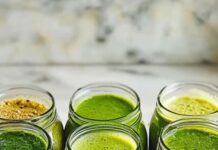
A green smoothie with yoghurt or protein is an easy way to combine several of these.
Hair care habits that help
- Avoid very tight hairstyles and frequent heat styling.
- Be gentle when brushing wet hair.
- Protect your hair from strong sun and chlorine.
- Manage stress, which can contribute to hair shedding (see natural ways to manage cortisol).
When to see a doctor
See a doctor or dermatologist if hair loss is sudden, patchy, accompanied by scalp pain or itching, or continues for more than a few months. A blood test can check for iron deficiency, thyroid problems and other causes.
Frequently asked questions
Can a detox stop hair loss?
A balanced diet can help if hair loss is linked to poor nutrition. A restrictive detox is more likely to worsen shedding.
How long until diet changes improve my hair?
Hair grows about 1 cm a month, so it usually takes three to six months to notice a difference.
This article is for general information and is not a substitute for medical advice.